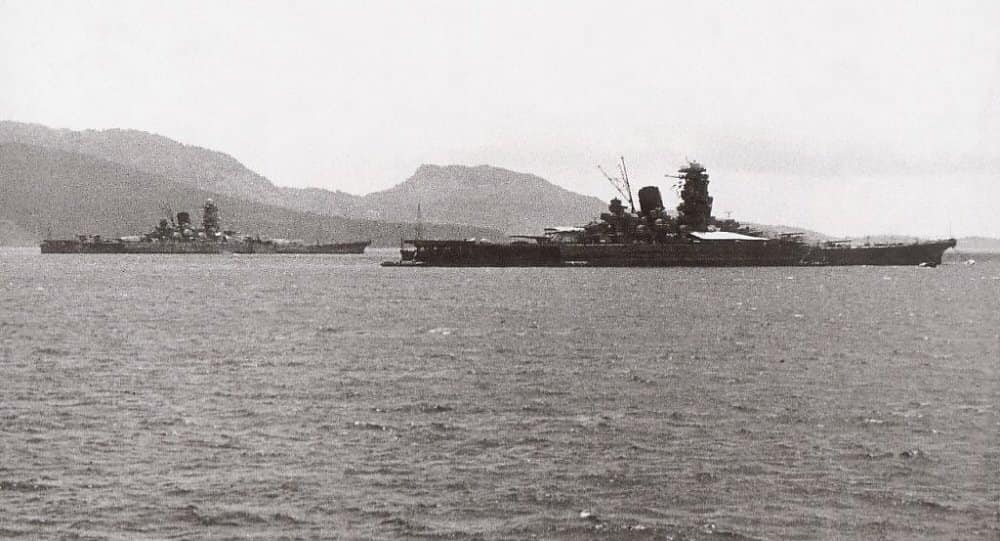
Operation Ten-ichi-go (Ten-Go) remains one of the most desperate and debated naval missions in history. In April 1945, the Imperial Japanese Navy launched a one-way "Special Attack Force" centered around the Battleship Yamato, intended to beach at Okinawa and act as a massive artillery fortress. This record reconstructs the tactical progression of that mission—from its controversial planning rooms to the final, fatal breakdown of the task force under overwhelming American air power.
I. THE PLANNING: DOCTRINE VS. REALITY
The tactical genesis of Ten-Go was rooted in a profound disagreement between the Combined Fleet command and the frontline officers. Admiral Toyoda, seeing the fall of Okinawa as the end of the Empire, ordered a "total sacrifice" of the remaining fleet. Vice Admiral Seiichi Ito, commander of the Second Fleet, initially opposed the plan on purely logical grounds: without air cover, the Yamato would never reach its destination. However, the logic of "Special Attack" (Kamikaze) eventually overrode tactical reason, and Ito accepted the mission as a final act of service.
II. TRADITION AND OMENS: THE Z-FLAG
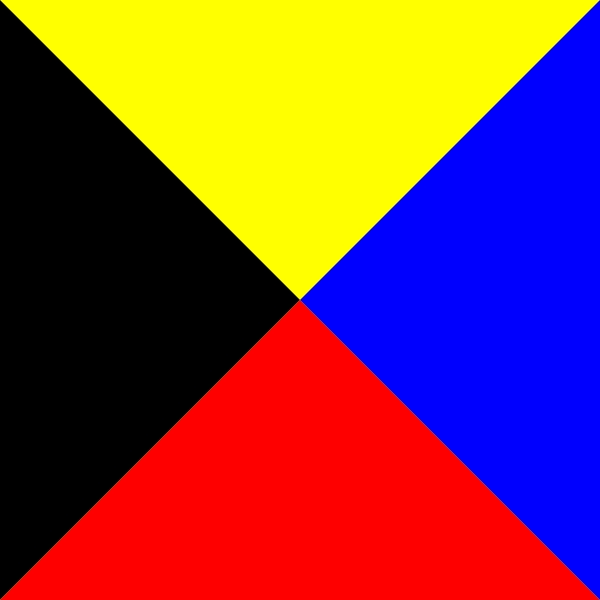
On the morning of April 6, 1945, as the task force prepared to depart Tokuyama, Captain Kosaku Ariga ordered the hoisting of the legendary Z-Flag. First used by Admiral Togo at the Battle of Tsushima in 1905 to signal that "The fate of the Empire rests on this battle," its appearance on the Yamato served as a definitive psychological anchor. For the 3,332 men aboard, the flag transitioned the mission from a tactical sorties to a ritualistic sacrifice, bridging the glory of 1905 with the grim reality of 1945.
III. THE SORTIE AND THE SHADOW
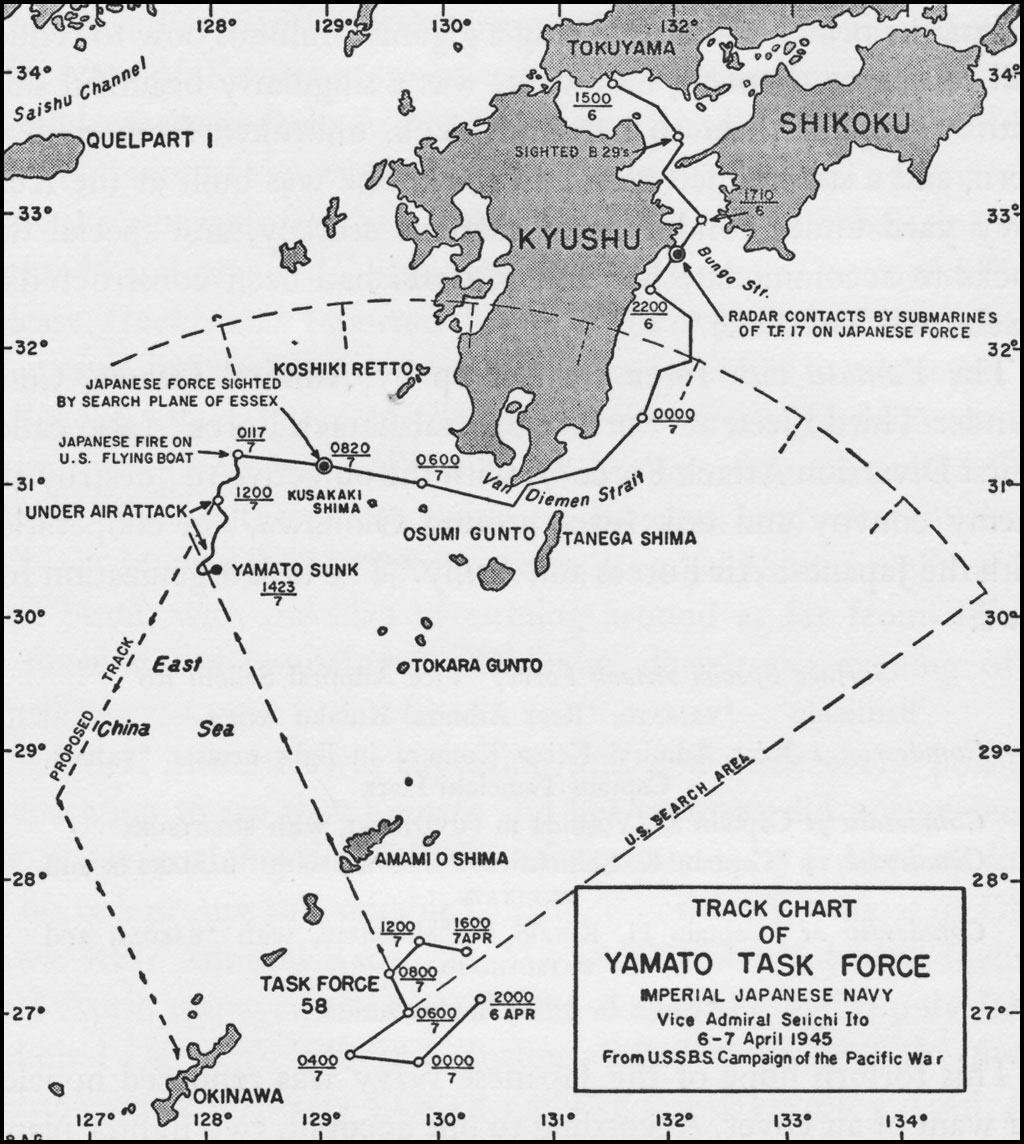
The task force, consisting of Yamato, the light cruiser Yahagi, and eight destroyers, sailed through the Bungo Strait. Unbeknownst to Ito, American submarines USS Threadfin and Hackleback were already shadowing the task force. US Naval Intelligence (COMINT) had already intercepted the mission's operational orders (OPORD), allowing Admiral Mitscher's Task Force 58 to set a massive aerial trap. The Yamato was virtually "sighted" by American eyes before it even reached the open sea.
IV. THE AERIAL ONSLAUGHT: WAVES OF ATTACK
The American assault began in the early afternoon of April 7th. Task Force 58 launched over 380 aircraft in three massive waves. The tactical coordination of the American air groups was devastating:
WAVE 1 (12:30 PM): Focused on the Yamato’s port side to induce a list. Torpedo bombers (Avengers) and dive bombers (Helldivers) overwhelmed the ship’s anti-aircraft flak, which, despite the spectacular use of 'San Shiki' (Beehive) shells, proved ineffective against decentralized carrier tactics.
WAVE 2 (1:40 PM): Systematically targeted the crippled escort force and expanded the Yamato's damage. The cruiser Yahagi and the destroyer Hamakaze were decimated during this phase.
WAVE 3 (2:20 PM): The final coup de grâce, focusing on the capsizing flagship after its secondary steering failed and its speed dropped below 10 knots.
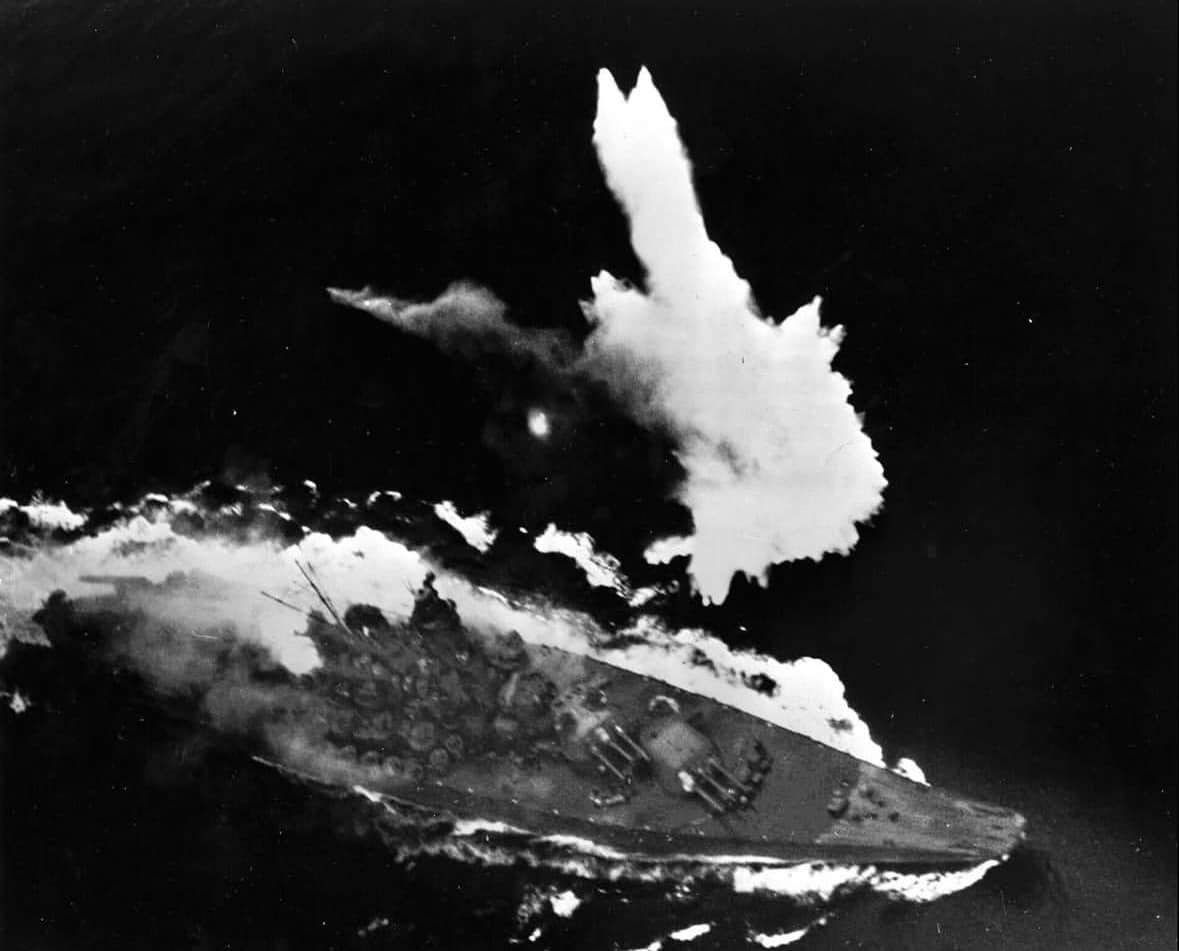
V. THE DESTRUCTION OF THE ESCORT SCREEN
The fate of the escorts was a tactical tragedy within the larger catastrophe. The light cruiser Yahagi, commanded by the "Unsinkable" Captain Tameichi Hara, was hit by at least a dozen torpedoes and dozens of bombs. Dead in the water, it served as a target of opportunity for nearly an hour before sinking. The destroyers Hamakaze, Isokaze, and Kasumi were also lost, leaving only a handful of ships to rescue survivors from the oil-slicked waters of the East China Sea.
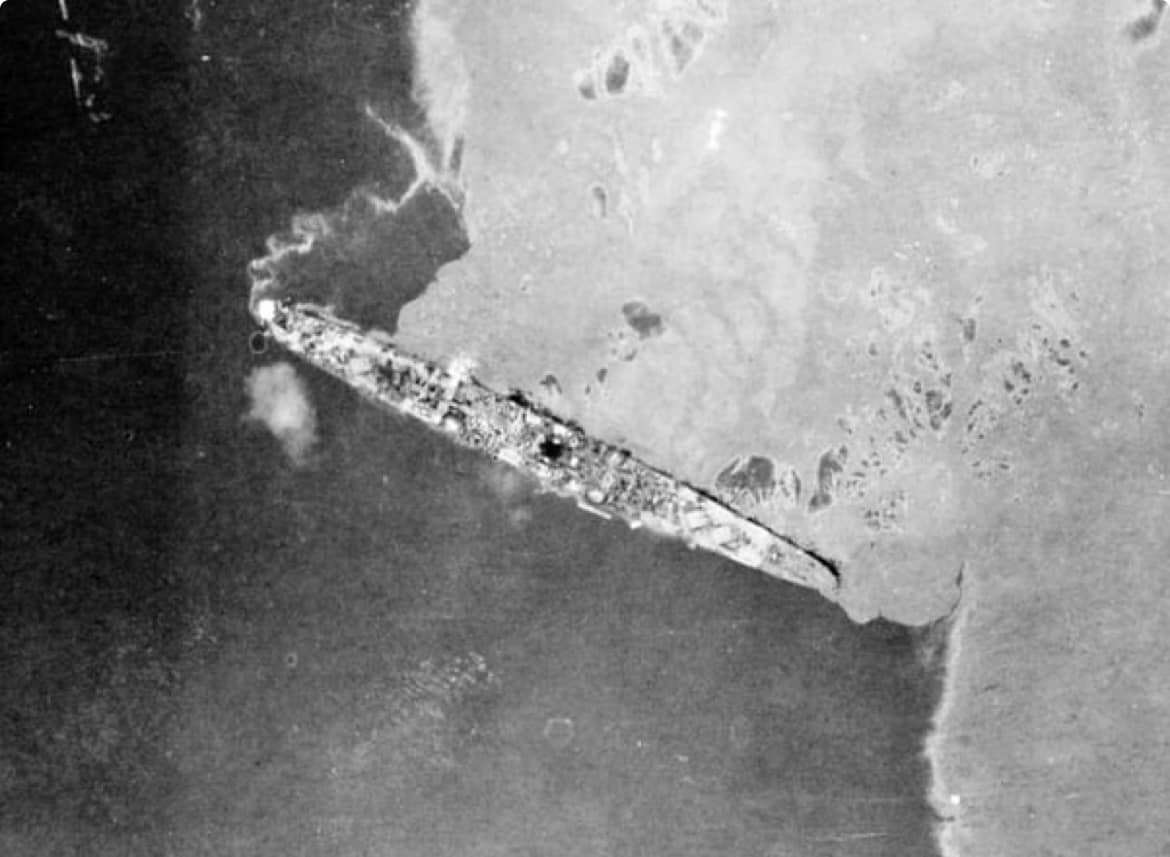
Operation Ten-Go was the final punctuation mark in the era of the big-gun battleship. Tactically, it proved that even the most formidable warship could not survive a decentralized, multi-vector aerial assault from managed carrier groups. Historically, it remains a symbol of "Gyokusai" (shattered jewel)—the preference for an honorable, albeit futile, end over survival in defeat. The Z-flag disappeared beneath the waves at 2:23 PM on April 7, 1945, taking with it the last remnants of the Imperial Japanese Navy’s surface power.